
The House They Chose
There are few places in Austin where the decision to renovate or move feels quite as complicated as Hyde Park. For these clients, the question wasn’t whether they wanted to work with Liz MacPhail Interiors—they had dreamed of that for years. The question was whether this was the house they wanted to invest in.
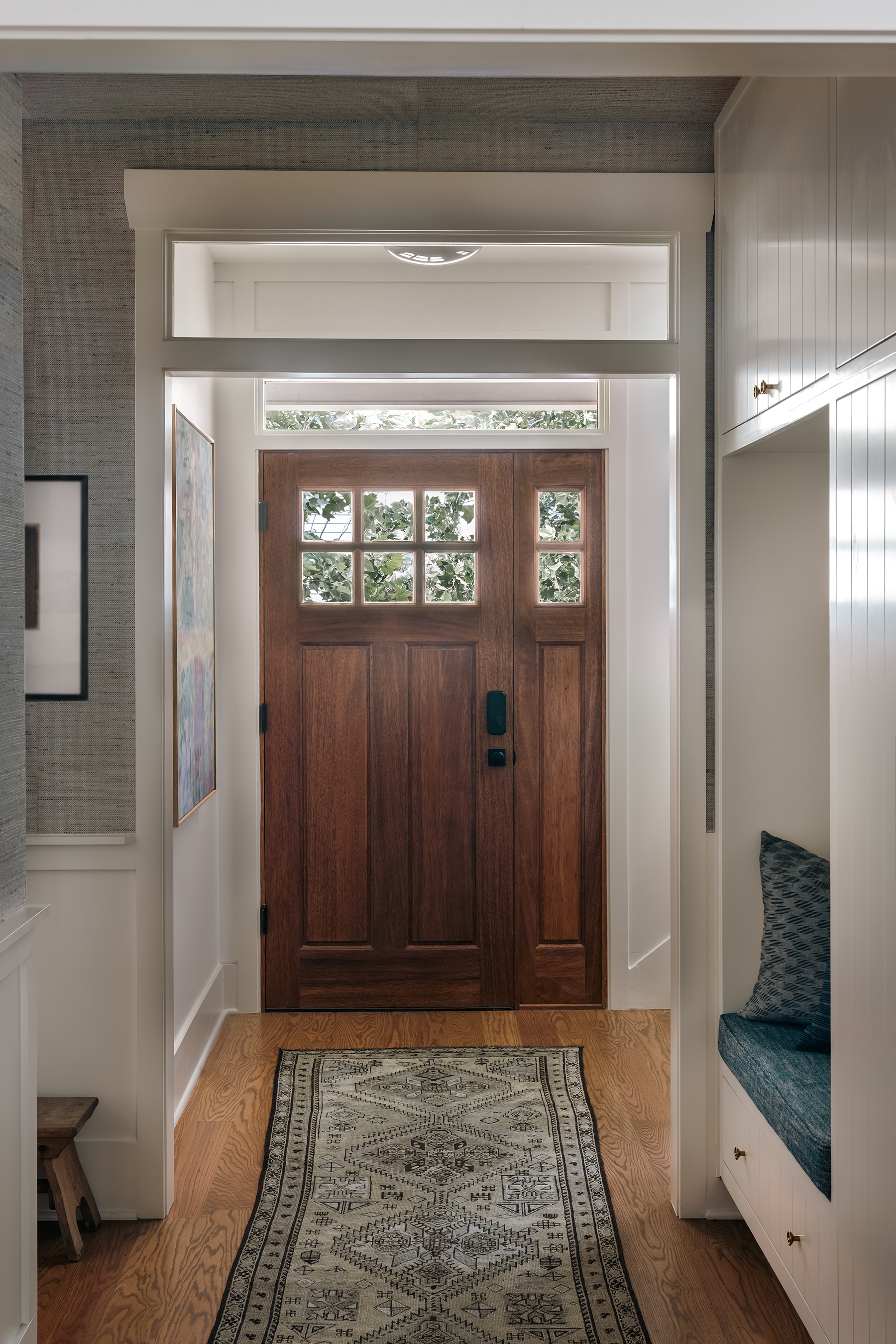
They loved where they lived. They brought their twin sons, now 11, home to this house. But living in a house long enough can give you an almost painful awareness of the things that don't quite work. For her, there was a running list: rooms underutilized, quirks that bothered her daily and spaces that felt like an unfinished compromise. Mostly, he wanted her to be proud of their home together. Before we could design anything, though, we needed to know if this was the house that could become the home they wanted it to be. In short, was it worth trying to fix?
In starting out with our clients, we pay attention to how they actually live rather than beginning with how they want it to look. We even encourage clients not to clean up before we arrive. Shoes piled up by the door, rooms no one uses, things that accumulate where they were never intended to live—all of it tells us something. And this house had plenty to tell us.
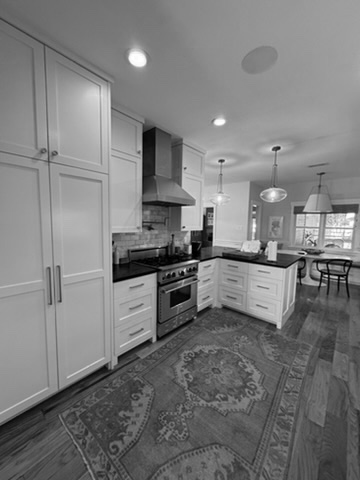
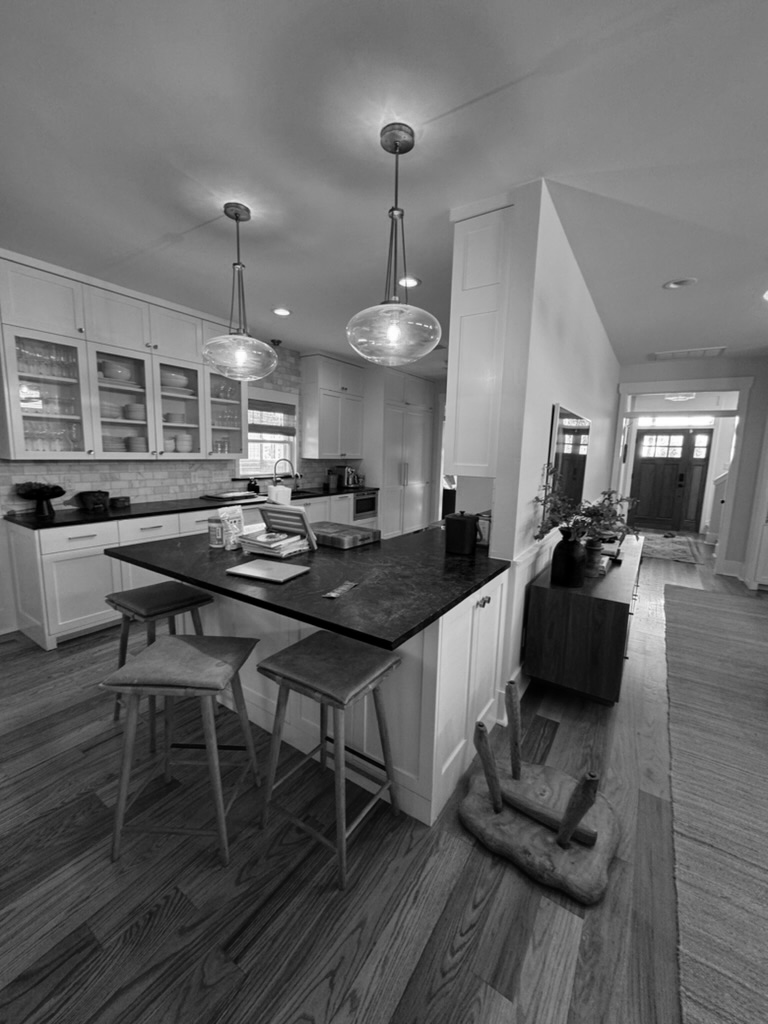
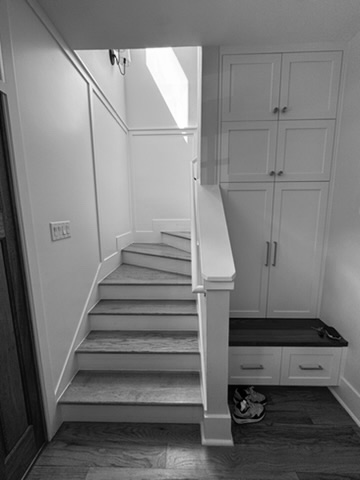
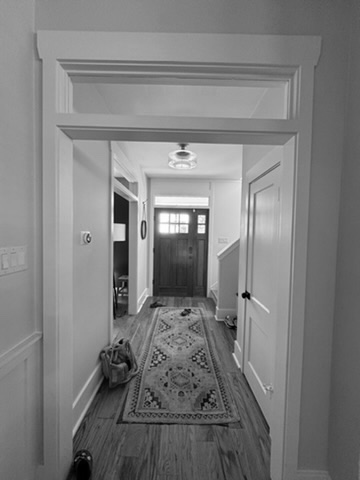
Before
The front door was a lovely introduction to a Hyde Park home, but the entry was also the family's primary entrance. A home of this quality should feel elegant, but this one also had to accommodate everyday life—shoes, jackets and backpacks. The kitchen had its own problems: he is a serious foodie and home chef, but you'd never know it by the tiny stove or the lack of counter space. The kitchen table was often his office as he kept an eye on a sauce simmering, while the den was still carrying the remnants of a Covid-era homeschool.
Then there was the front room. It was perfectly good on paper but had never become part of the family's life. Two openings made it difficult to furnish; it was too small for a dining room, which they knew they wouldn't use anyway, and too awkward to function comfortably as a sitting room. They'd tried both; neither worked. There were smaller clues, too. On our first visit, she pointed out that the living room windows weren't symmetrical. Once you see something like that, you can't unsee it. Beneath the stairs, his wine collection had gradually taken over. It wasn't our job to tell him he needed to let it go, but it was our job to show him what might be possible without it. And then the real insanity: the bathroom door opened directly into the kitchen. That alone was grounds for tearing it all down. Upstairs, the primary bathroom and closet needed attention, too.
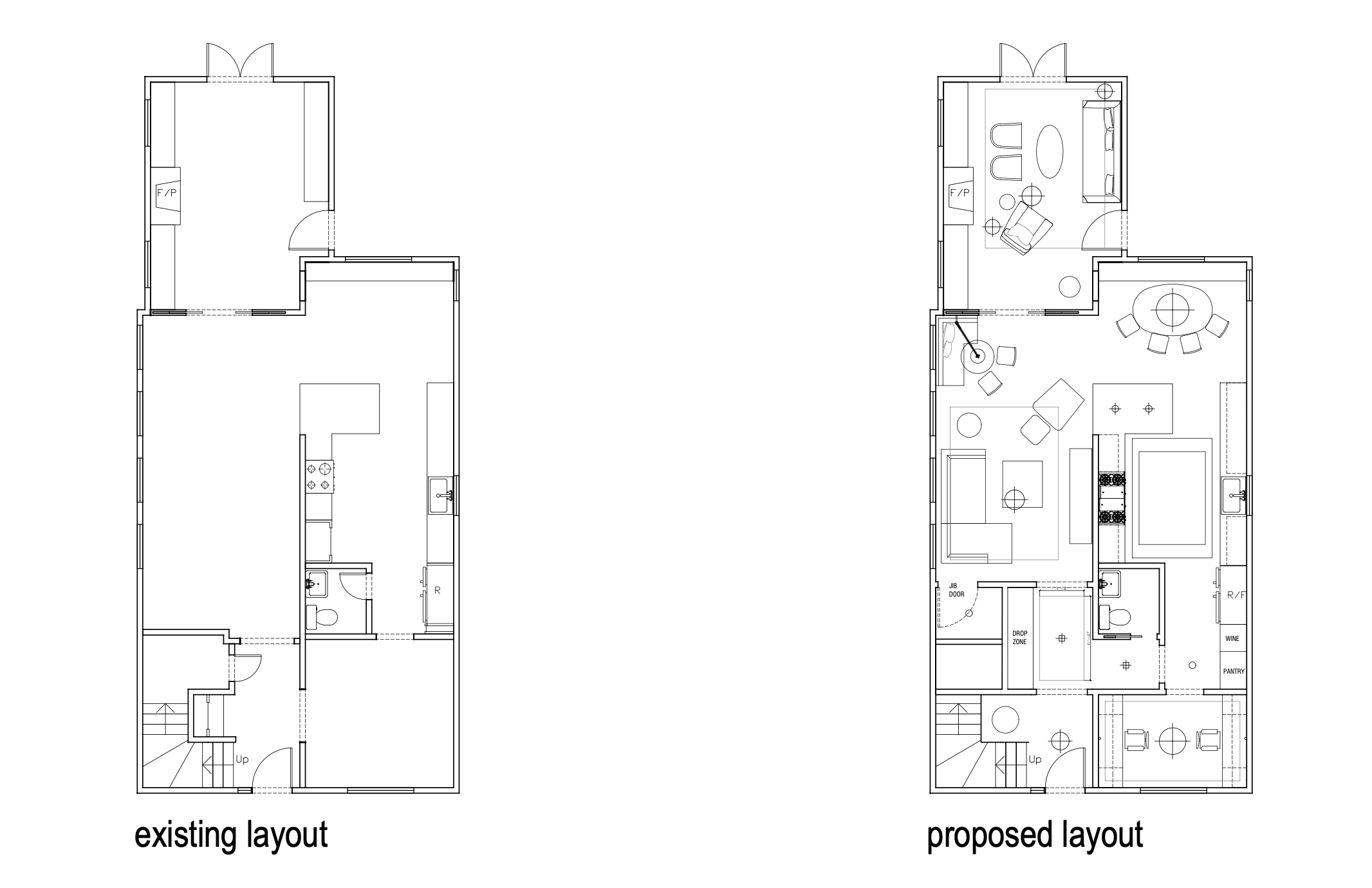
What was revealed in digging in with them was that the house wasn't fundamentally wrong; the problem was that the house and the family's life had gradually gotten out of sync. Their children had grown, their routines had changed and the ways they wanted to use their home had evolved. But the house hadn't evolved with them.
So we began exploring what it could become: the front room as an office, giving the kitchen table back to the family; a dedicated place for the boys to work; a more generous and functional entry; a kitchen that could actually support someone who loves to cook; a better home for the wine; and, yes, a solution for the bathroom door. Our approach wasn't to dig into the design, but to explore whether this house could become the right house.
The entry became a useful test case for the larger question. What if the space could do more without feeling more complicated?
We brought several builders into the conversation early so the clients could understand what the renovation might involve and what the investment could look like. Our role was to make sure the right questions were being asked and the right information was on the table, not to persuade them to renovate. We explored the possibilities, talked through the realities and then let it marinate. The process would have been useful either way: if they moved, they would know more about what they needed from their next home; if they stayed, we would know exactly what needed to change.
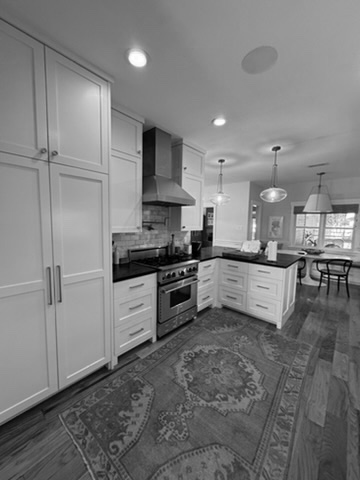
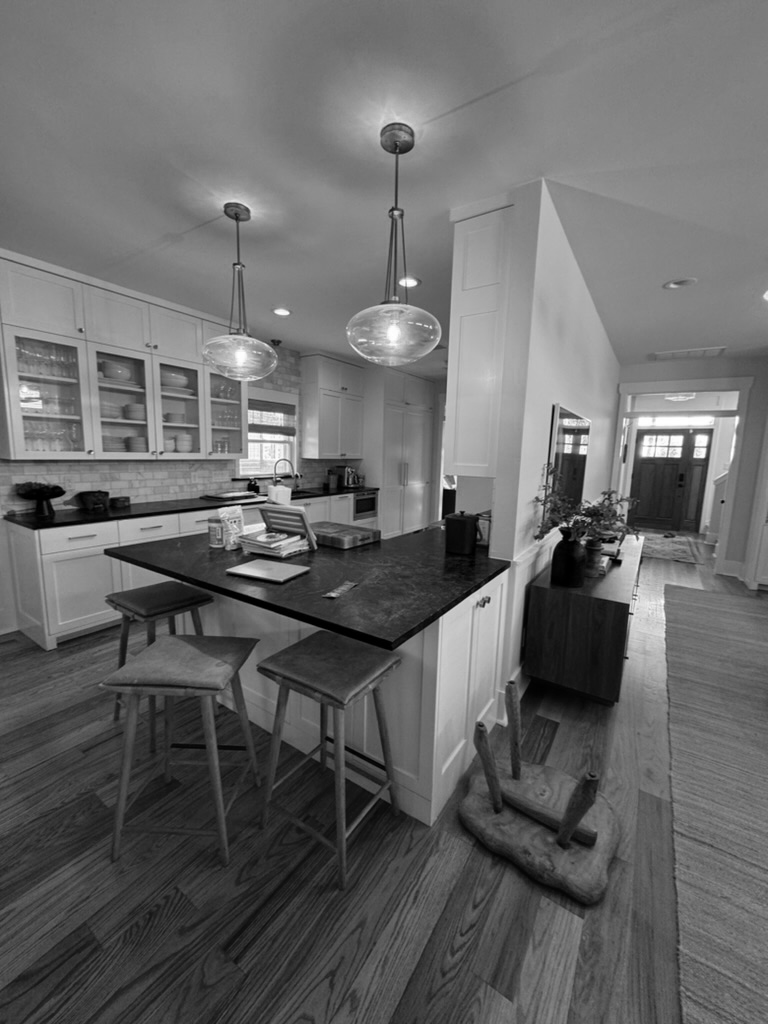
Kitchen before
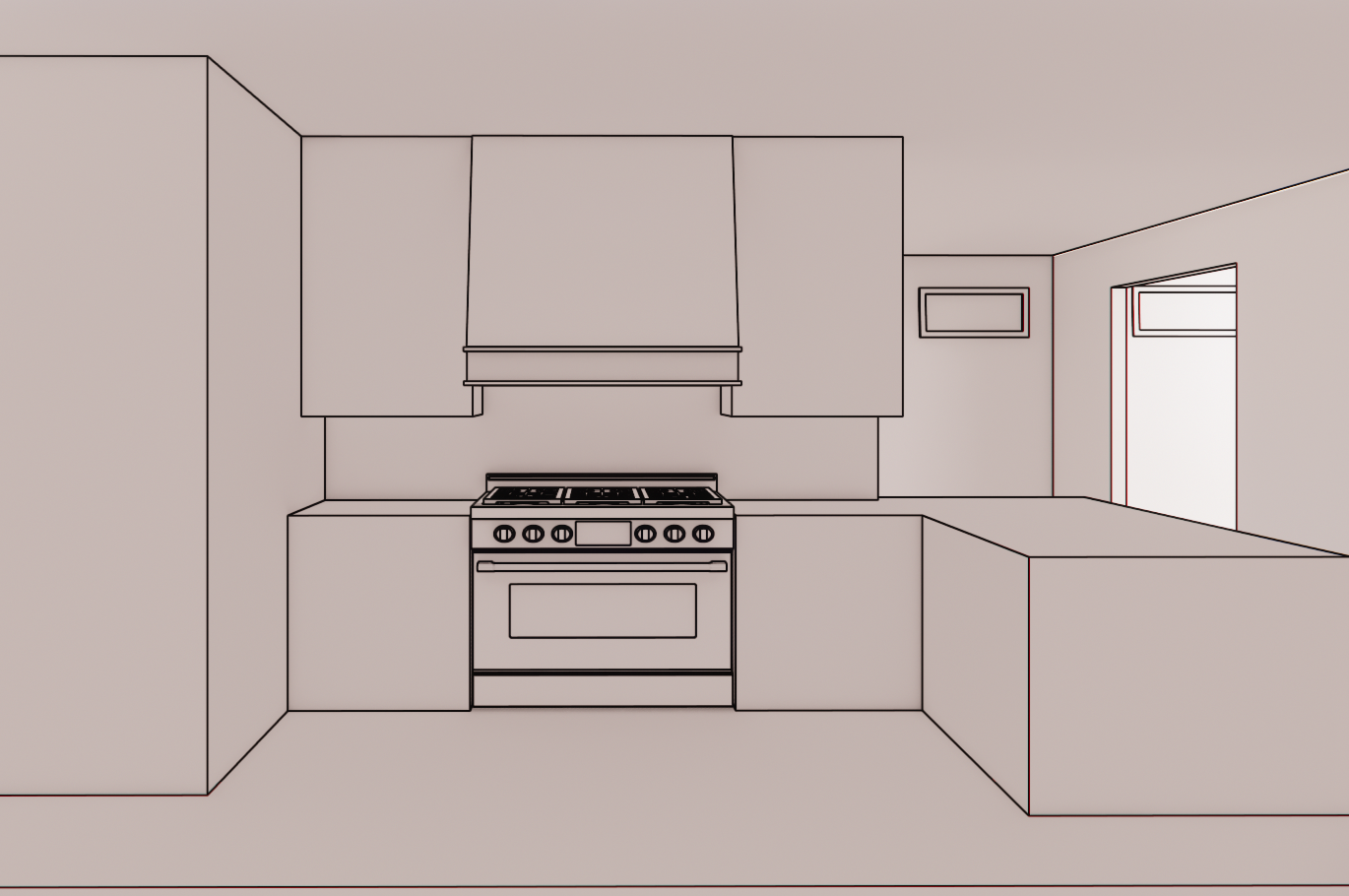
Kitchen range wall study
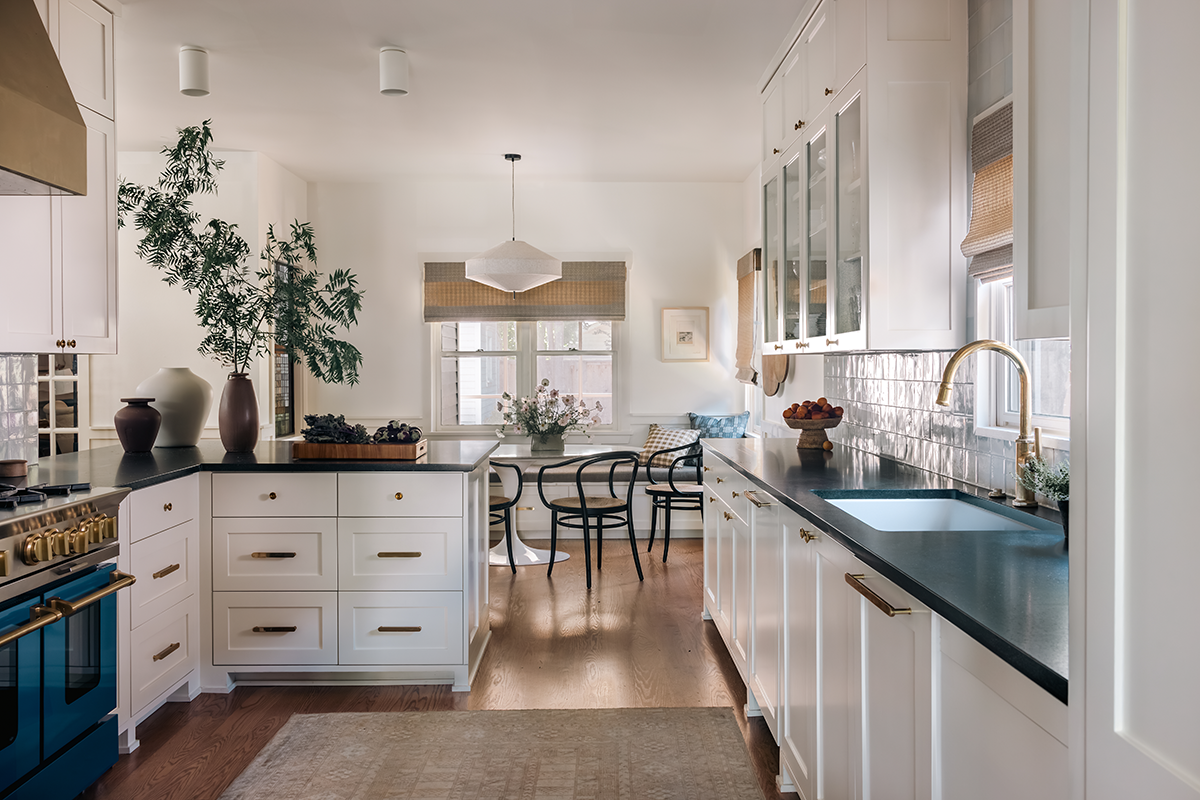
The kitchen, reworked around the family's real life.
Ultimately, they decided they wanted to stay. Once that decision was made, we could really design. We gave more space to the entry, modified key parts of the kitchen to make way for a bigger range and wine storage, kicked the powder room door out and liberated the kitchen table by turning the front room into a workspace.
From there came engineering, permitting, construction administration, decorating, detailing and installation. In short, roughly 47,000 decisions about materials, proportions, finishes, lighting and furniture. There were complicated moments and things that didn't go according to plan, as there always are. That's renovation.
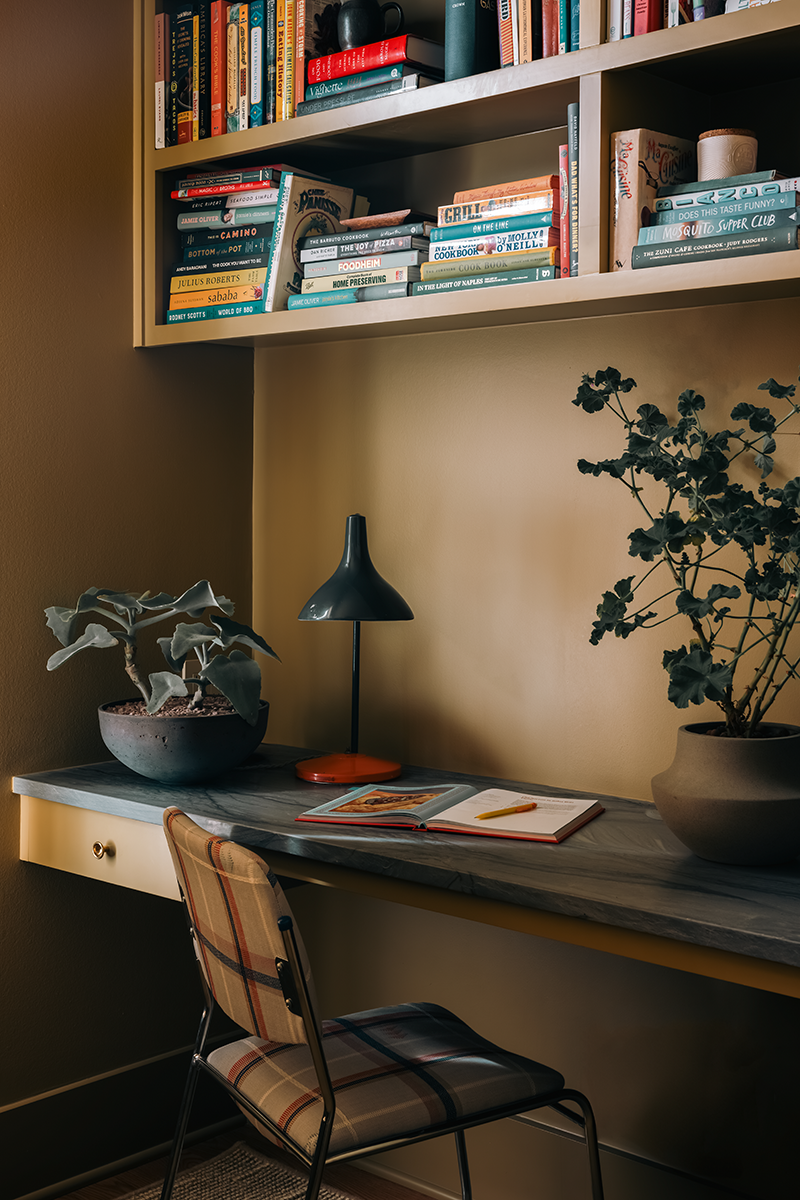
The front room, finally given a reason to exist.
The finished home is not just beautiful. Beauty was never the only goal. What matters most to them and to us is that the home is unmistakably theirs. Their style has been elevated without losing its personality; their collections have places to live; the rooms have purpose; and the house supports the way they spend time together. And the way they toss their shoes at the entry.
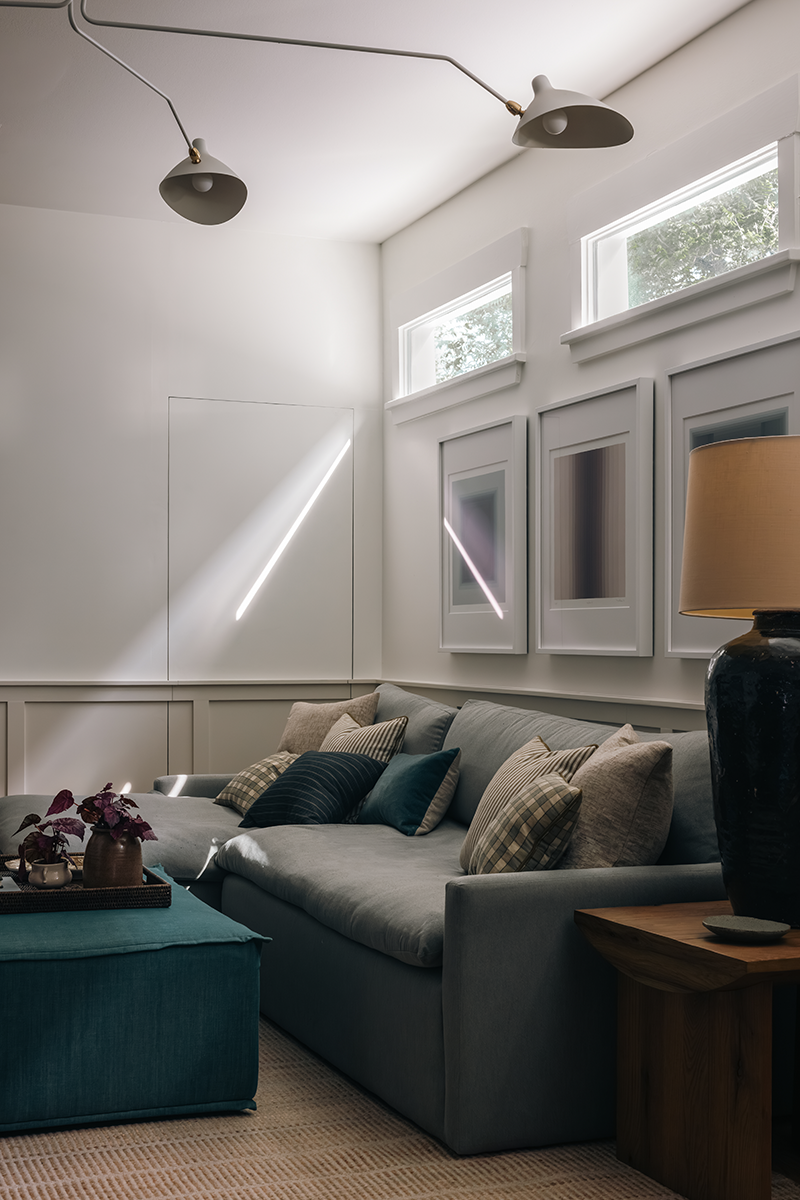
The family room.
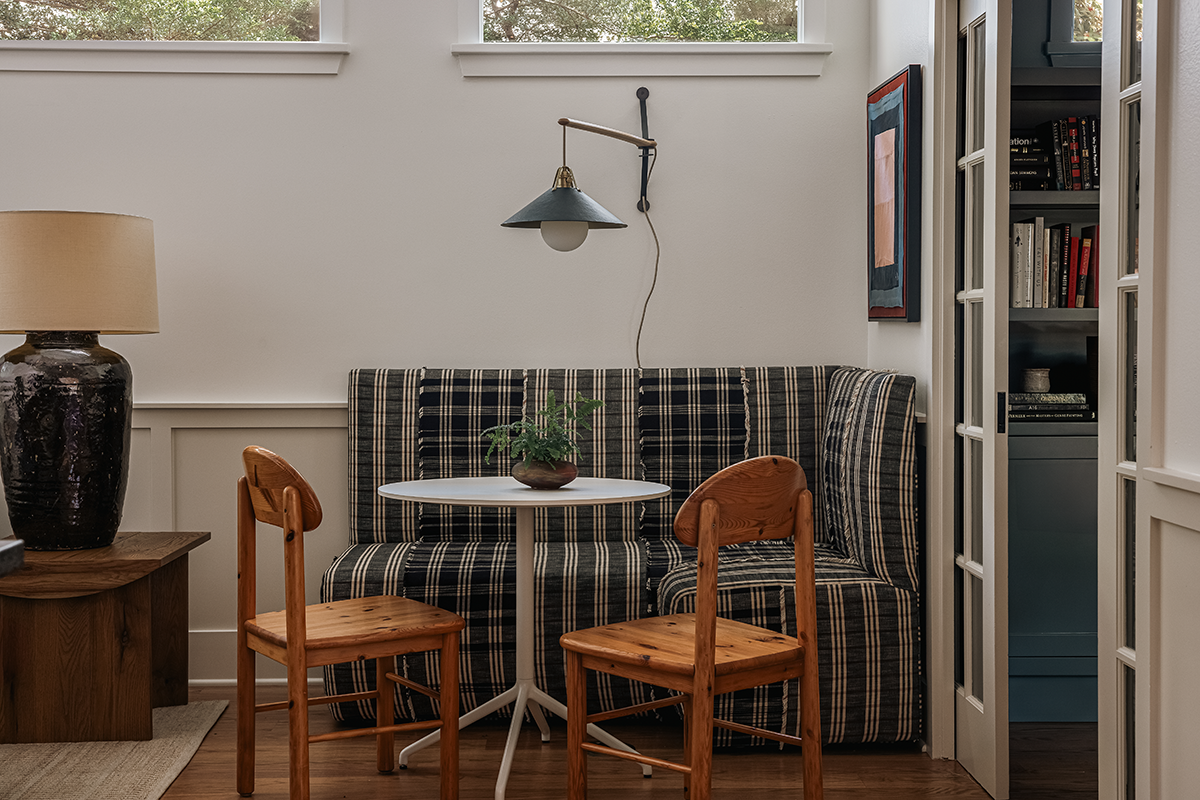
The dining area.
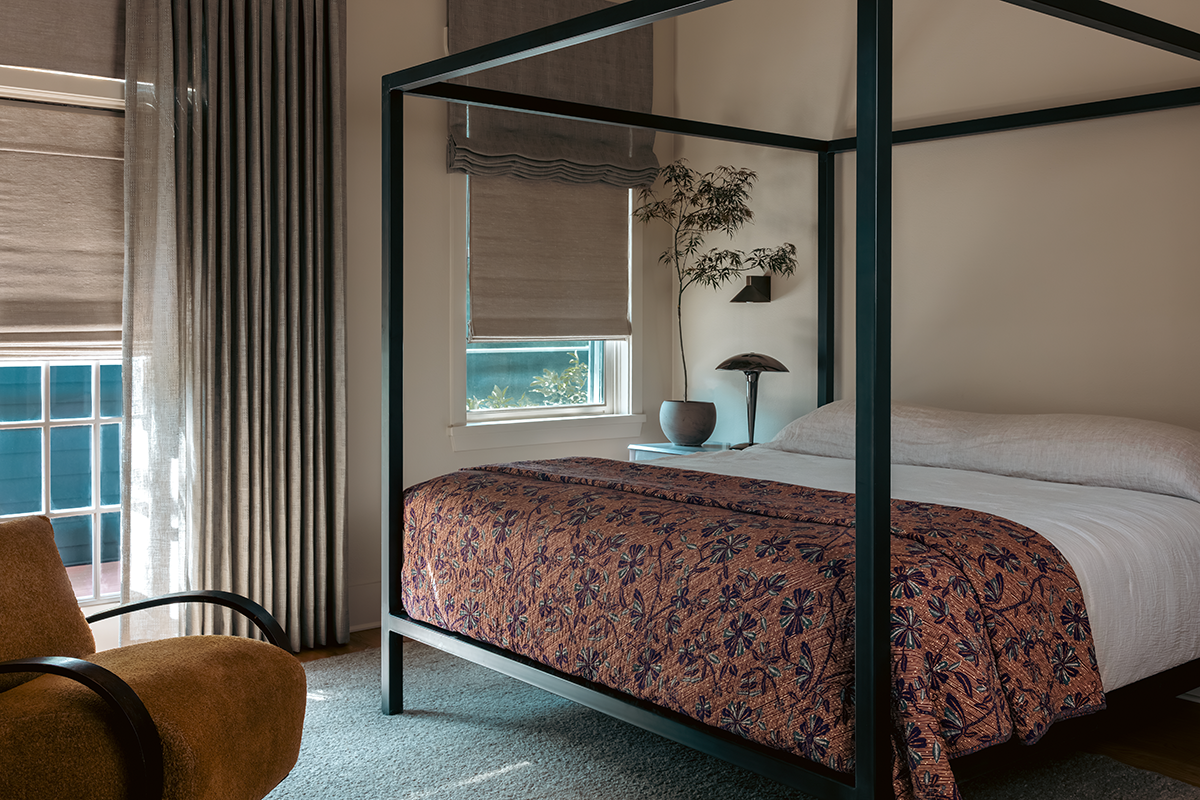
The primary bedroom.
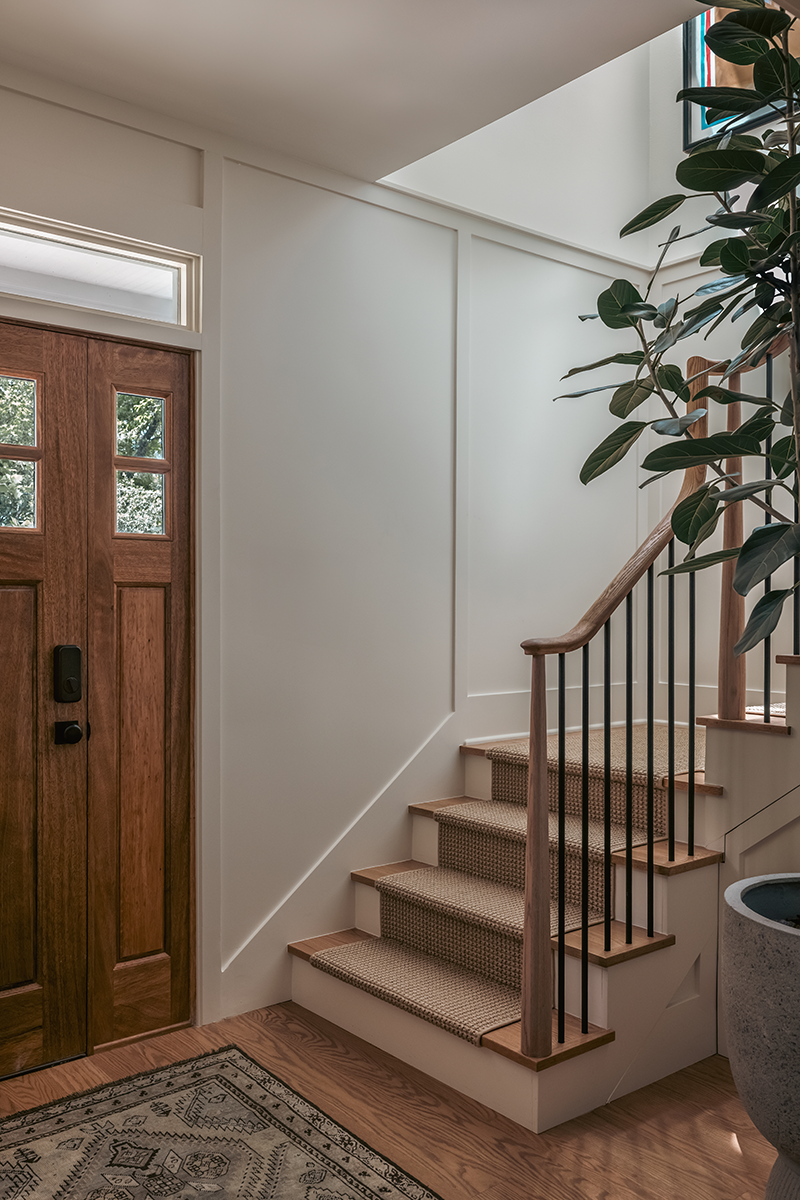
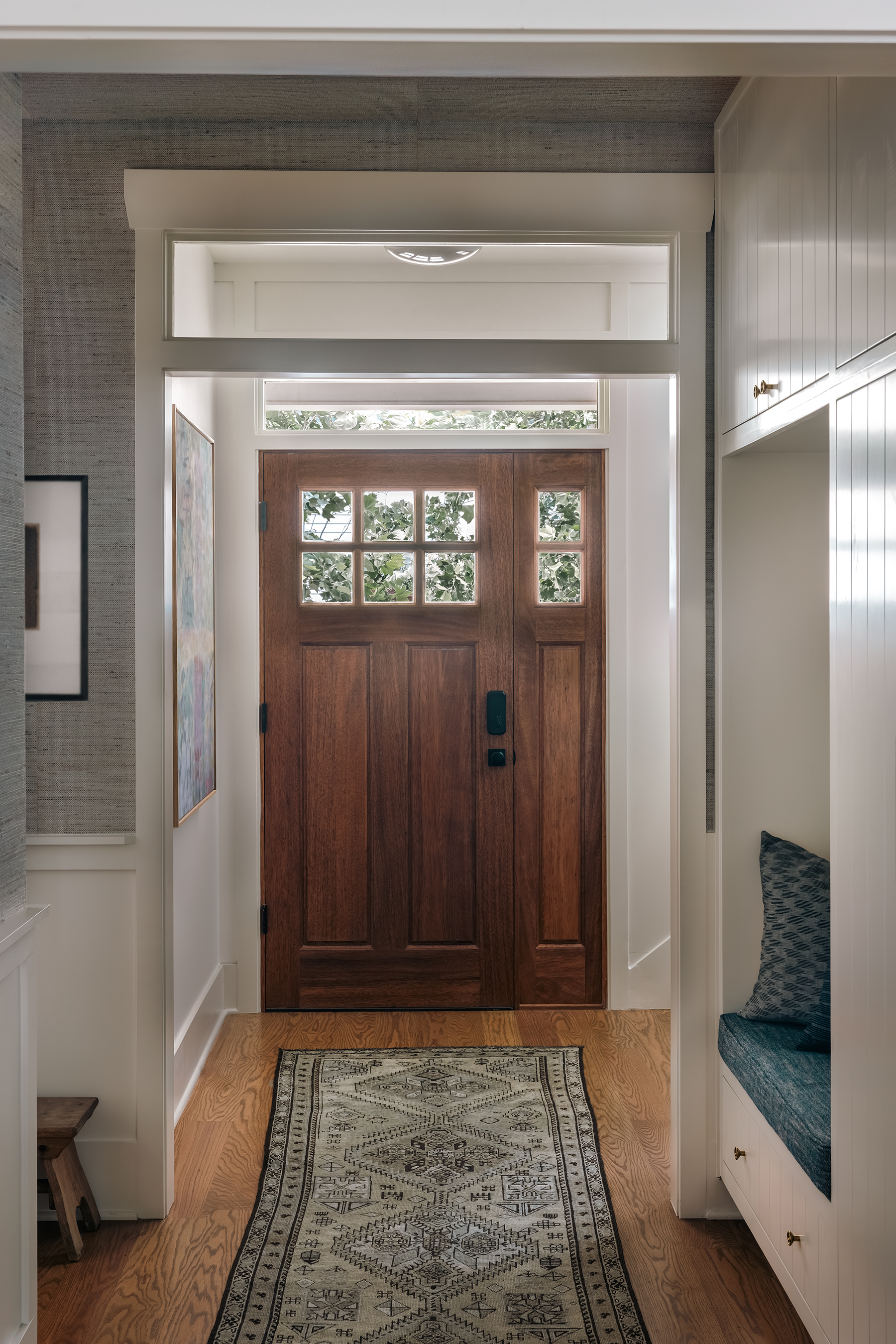
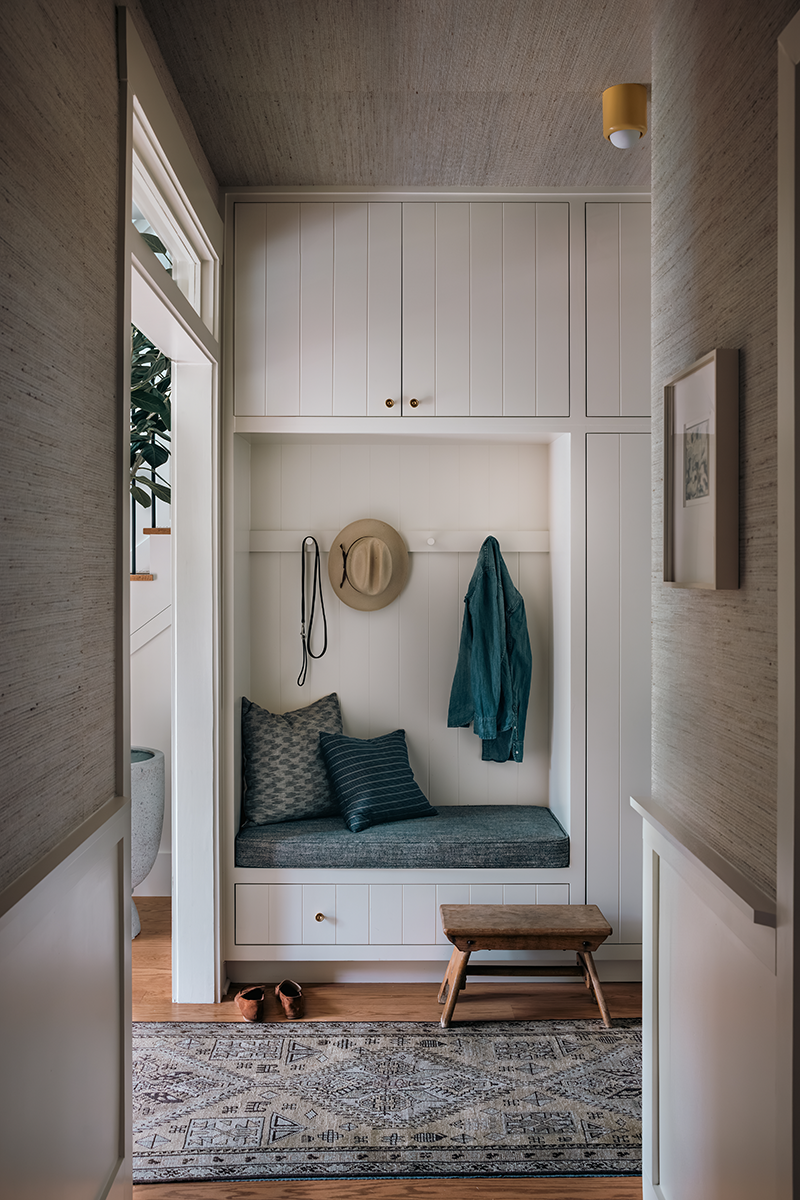
Photographer Wynn Myers captured the finished spaces beautifully, but some of the most meaningful changes aren't visible in the photographs. You can't see that the kitchen table is finally available for dinner, that the front room has become one of the hardest-working rooms in the house or that the entry now feels both elevated and functional. You can't photograph the conversations that led to those decisions, either. We weighed things they loved against things they needed. They made tough choices and sprung for what they absolutely wanted.
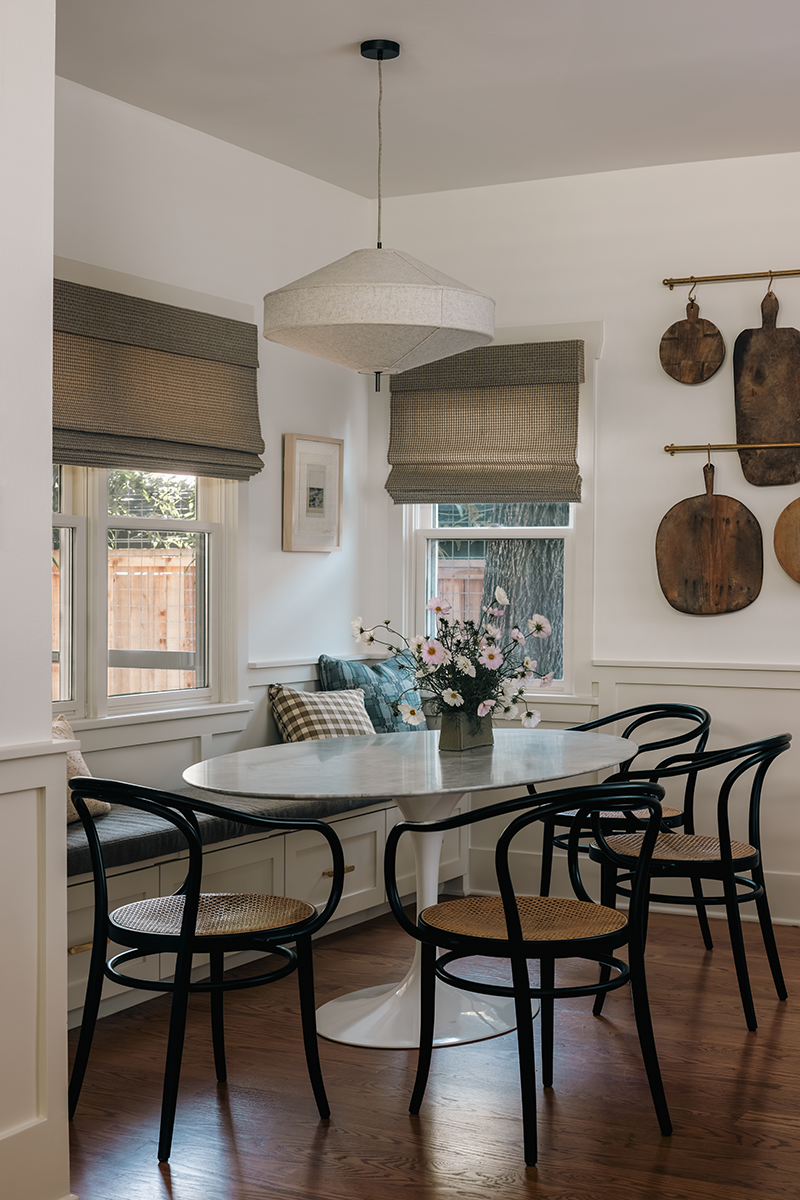
The finished house, in use.
The clients came to us wondering whether they should stay. Through the process, they discovered that the house they already had could become something they hadn't quite been able to see before. The house they weren't sure they should keep became the house they now can't imagine leaving. And a long-held dream of working together became a lasting friendship.
